
With all the beautiful jewellery out there, it can be easy to get lost in some of the terminology. What's the difference between sterling silver and fine silver? What is silver filled, and how is it different from silver plated? Let us shine some light on these different terms to help you understand your own jewelllery pieces better, and to add clarity to your shopping experience.
What is silver?
Silver is a shiny whitish-grey element found on the periodic table as Ag (from the Latin argentum). It is relatively soft, and is considered a precious metal. It has been used as far back as 4000 BCE in making coins, jewellery, tableware, and other art and decor.
Silver is useful for more than decoration. Silver compounds are used in photographic paper and some antiseptics, due to its antimicrobial properties. Silver is the most reflective element and is used in telescopes, solar panels, and mirrors. In addition, it is an excellent conductor and is used in printed electrical circuits and as an alloy in electrical contacts.
Silver can be found worldwide, and is often found in lead, copper, and cobalt arsenide ores and can also be found alongside gold. The largest silver producers are Mexico, Peru, and China.
When it comes to jewellery, silver is incredibly popular.
Fine Silver
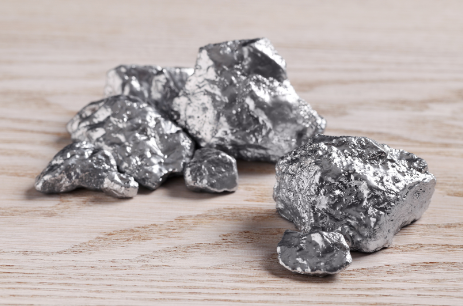
Fine silver is 99.9% pure, with the other 0.01% being other trace elements. In its pure state, silver is quite soft , and grayer and less shiny. It is more likely to be used in manufacturing than in jewellery. Fine silver jewelry would be easily bent out of shape and marked up. Fine silver items would be stamped with .999 to indicate the purity.
Sterling Silver
Sterling silver is an alloy, usually with copper as it doesn't affect the silver's colour. The alloy's ratio is 92.5 percent of silver and 7.5 percent of the other metal. This is often marked on sterling silver pieces with a "fineness" stamp of 925. Adding another metal makes the silver stronger and more durable.
Silver Filled
Silver filled products are fairly recent. They are made with a sterling silver layer fused to a brass core. The silver layer is usually either 5% or 10% sterling silver by weight, making it a fairly thick layer compared to silver plating (see below). Silver filled components can be a great option for jewellery as they are more affordable than sterling silver but keep their beautiful silver colour far longer than silver plated items.
Silver Plated
Silver plated jewellery will have a thin layer of silver fused to a base metal core, which is often brass or copper. Silver plated jewellery is the most affordable option, and the silver plating can last for several years if taken care of properly. Avoid nicks and scratches, which may expose the base metal underneath.
Caring for silver jewellery
It's best to remove your jewellery before bathing, as some chemicals in shampoos, body washes and other products may harm your silver, as well as potentially any gemstones or pearls on your pieces.
When you're not wearing your jewellery, we recommend storing it in soft cloth bags or a lined jewellery box. If you have a piece that needs to be cleaned, use a gentle soap and (if needed) a soft brush or cloth. Tip: a baby toothbrush is an inexpensive choice!
You may notice over time that your silver jewellery takes on a dark grey colour. This tarnish is the silver reacting with sulphur in the air to create silver sulphides. This can be cleaned off using a jewellery polishing cloth.
If you will be storing your silver jewellery or other items for a long period, clean them first and consider storing them in airtight bags to reduce tarnish.
Click to shop all of our silver jewellery!